Typo overview
Mecha Chameleon
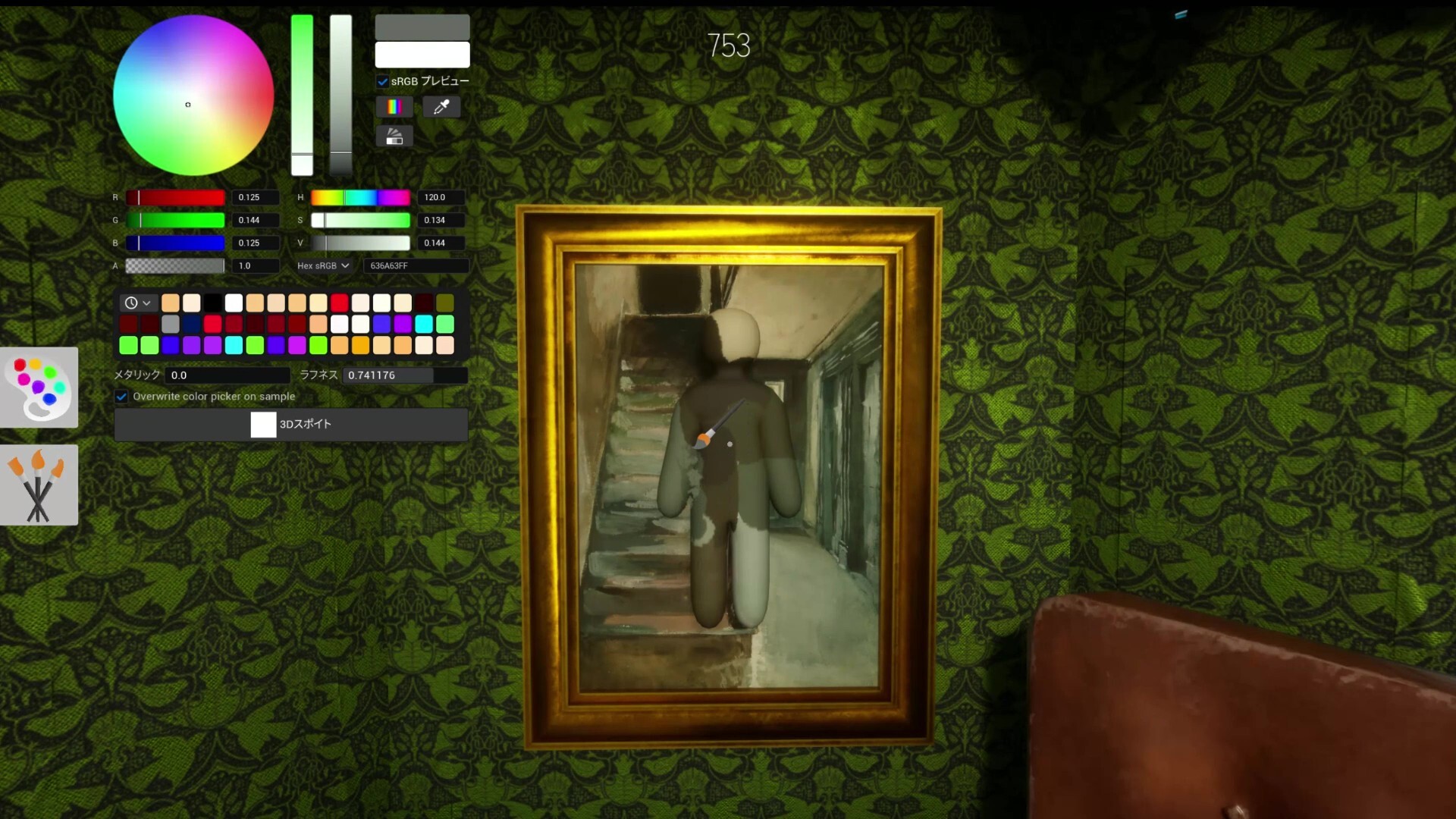
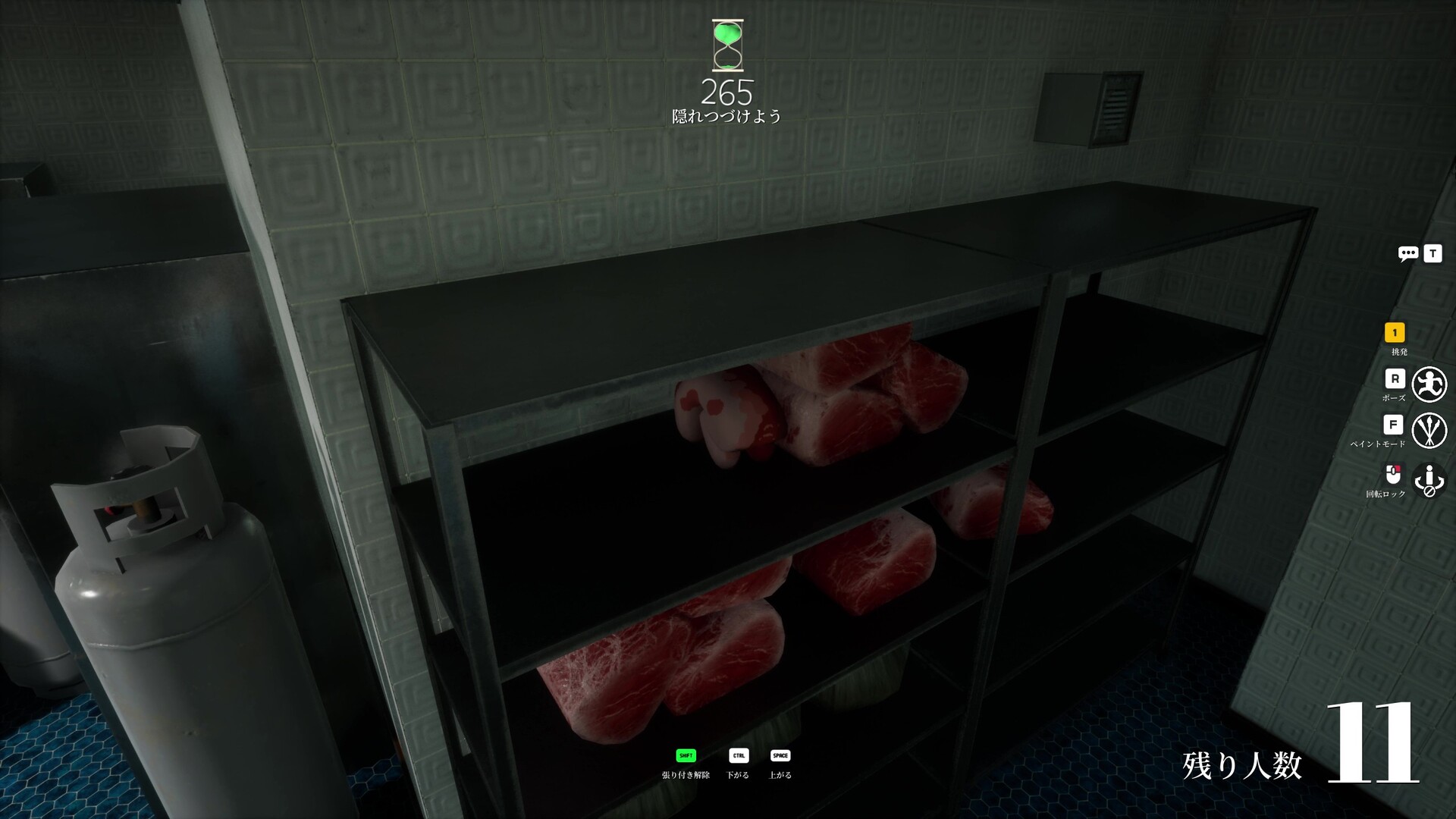
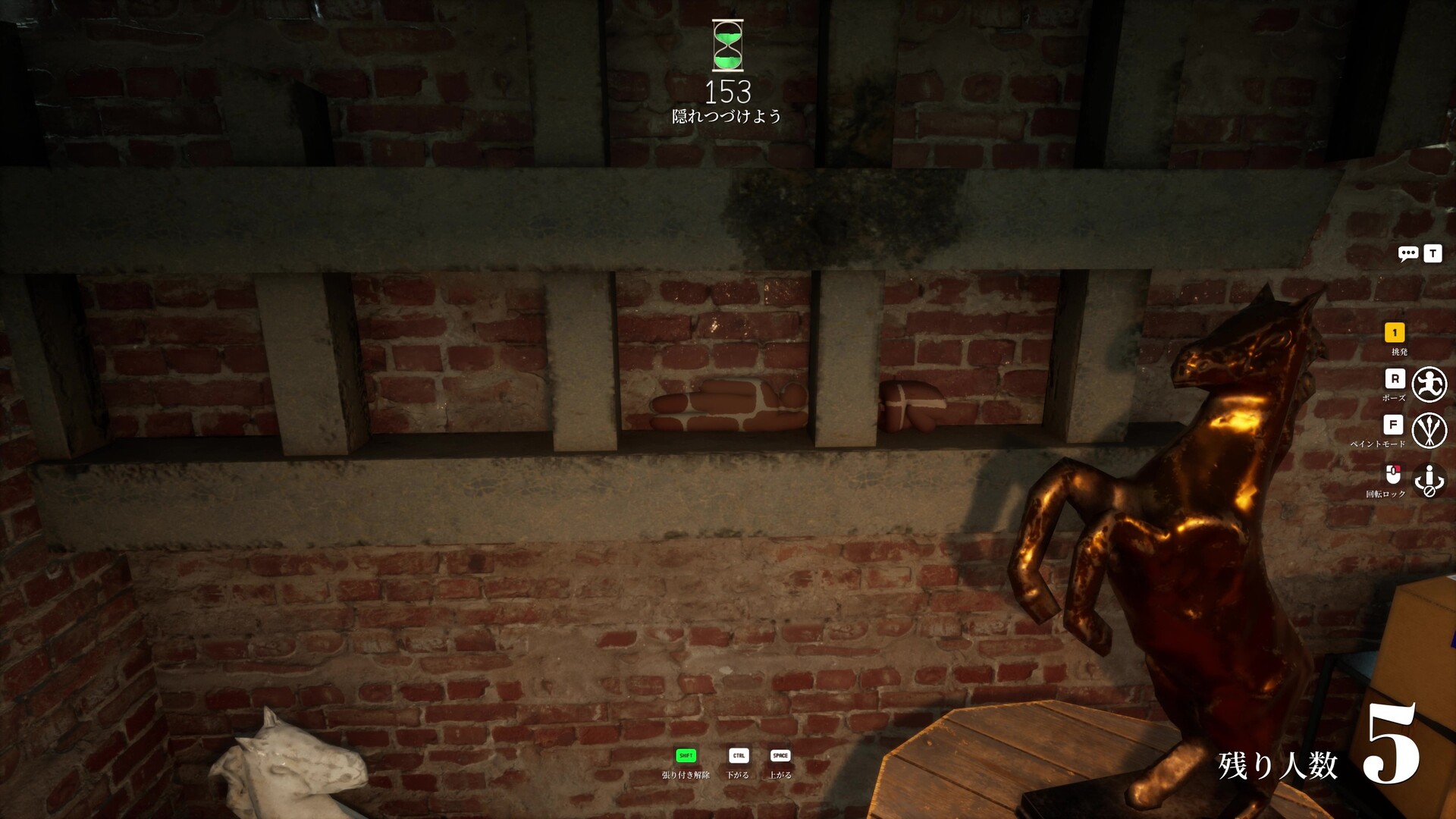
Mecha Chameleon is the common search typo for MECCHA CHAMELEON, a Steam multiplayer hide-and-seek game by lemorion_1224 where hiders paint and pose into the map while hunters search for anything out of place.
Why people search Mecha Chameleon
Many players type Mecha Chameleon because it sounds close to the official title, but the Steam game is listed as MECCHA CHAMELEON. This page treats the typo as a search entry point and then points readers back to the correct name, store page, and guide pages.
The game is easy to describe but hard to master: one side hides by becoming visually believable inside the map, while the other side hunts by reading shapes, colors, outlines, movement, and objects that do not belong. That is why a short clip or screenshot can make the game immediately understandable even before someone knows the exact spelling.
Creator, official name, and download path
MECCHA CHAMELEON is developed and published by lemorion_1224. The official store path is Steam, and that is the place to use for purchase, installation, current pricing, system requirements, screenshots, reviews, and update context.
Use the Steam Download button on this site only as a shortcut to the official Steam page. It is not an APK mirror, browser build, cracked copy, or third-party installer. If another site uses the Mecha Chameleon typo to offer a direct file, treat that page carefully and verify it against Steam first.
| Topic | Current answer |
|---|---|
| Official name | MECCHA CHAMELEON |
| Common typo | Mecha Chameleon |
| Developer | lemorion_1224 |
| Publisher | lemorion_1224 |
| Official download | Steam |
| Steam release date | June 9, 2026 |
Platforms and where you can play
The verified native platform is Windows PC through Steam. Steam's current store data marks Windows support and does not mark native Mac or Linux support. SteamDB can be used as a secondary reference for platform flags and Steam Deck context, but buying decisions should still be checked on Steam while signed in.
Steam Deck and handheld PC players should treat the game as a compatibility question rather than a separate platform release. If your device can run the Steam build through SteamOS, Proton, or Windows, it may be playable with tuning, but controller text, small UI elements, and graphics settings can still affect comfort.
| Device or platform | Status | Best path |
|---|---|---|
| Windows PC | Playable | Install from Steam. |
| Steam Deck | Playable with notes | Use SteamOS or Proton and test controls. |
| Mac | No native listing here | Use a Windows PC or remote play from a PC you own. |
| iPhone / Android | No official mobile version confirmed here | Use Steam Link or another remote-play setup. |
| Console | No official console listing confirmed here | Watch Steam and official announcements before assuming support. |
How the gameplay works
MECCHA CHAMELEON is a social hide-and-seek game built around visual camouflage. Hiders survive by choosing a believable location, changing pose, climbing or crawling into unusual spaces, sampling nearby colors, and painting themselves so their body reads like part of the environment.
Hunters win by turning the room into a pattern-reading problem. A good hunter does not only chase movement. They scan repeated objects, check color temperature, compare material shine, inspect dark corners, look up at walls and ceilings, and return to suspicious spots after the hider has had time to panic or move.
The best rounds are not decided by one trick. Hiders need a position, a pose, paint discipline, and a backup route. Hunters need a repeatable sweep route, calm communication, and enough map memory to know when one chair, box, plant, food item, or wall patch is slightly wrong.
- Hiders focus on believable silhouettes, matching materials, and staying still at the right time.
- Hunters focus on broken patterns, suspicious outlines, color mismatches, and late movement.
- Maps matter because familiar rooms make both hiding plans and hunter routes more strategic.
Why so many people are playing now
The game arrived at the right moment for short-form multiplayer clips. A hider disguised as a wall patch, steak, brick, shelf item, or background object creates an instant joke when a hunter walks past. The reveal is easy for viewers to understand without a long explanation, which makes the game good for streaming, group clips, and social sharing.
There is also a clear public momentum signal: an official Steam News post announced 7 million copies sold, and SteamDB has tracked very high player activity around the same launch window. That kind of visibility makes more friend groups try the game, which then creates more clips, more Workshop maps, and more reason for new players to search for the correct spelling.
It also has the structure that friend groups like: quick rounds, simple role fantasy, obvious tension, and a lot of room for personality. Some players enjoy serious camouflage and map study. Others enjoy loud callouts, risky poses, and trying to fool friends who know their habits. The Steam Workshop map ecosystem adds another reason to return because each custom map can change the hiding logic.
Copies sold
The best public number is now official: a Steam News event post for MECCHA CHAMELEON announced 7 million copies sold. That is stronger than a third-party estimate because it comes from the game's official Steam news channel.
Sales can continue changing after that announcement, so this page treats 7 million as the latest verified public milestone rather than a permanent lifetime total. For buying, installing, current reviews, and the live store presentation, use the Steam page directly.
Why it is especially good with friends
MECCHA CHAMELEON works well with friends because the fun is not only winning. Friends remember each other's habits, call out suspicious objects, bluff, laugh at missed shots, and create running jokes around terrible hiding places. A hunter who knows you always choose dark corners will check them first; a hider who knows that can build a fake pattern and punish the hunter for overthinking.
The role split also helps mixed-skill groups. New players can start by hiding in obvious but funny places, while stronger players can practice paint matching, ceiling routes, and workshop maps. Hunters can divide rooms, share reads, and learn together instead of relying on one player's mechanical aim. That combination makes the game more social than a normal shooter and more skillful than a simple party guessing game.