Hiding spots
Meccha Chameleon Best Hiding Spots
The best hiding spots are not fixed coordinates. The strongest Meccha Chameleon hides combine a believable background, matched lighting, a broken player silhouette, and a route that makes hunters spend time proving you are real.
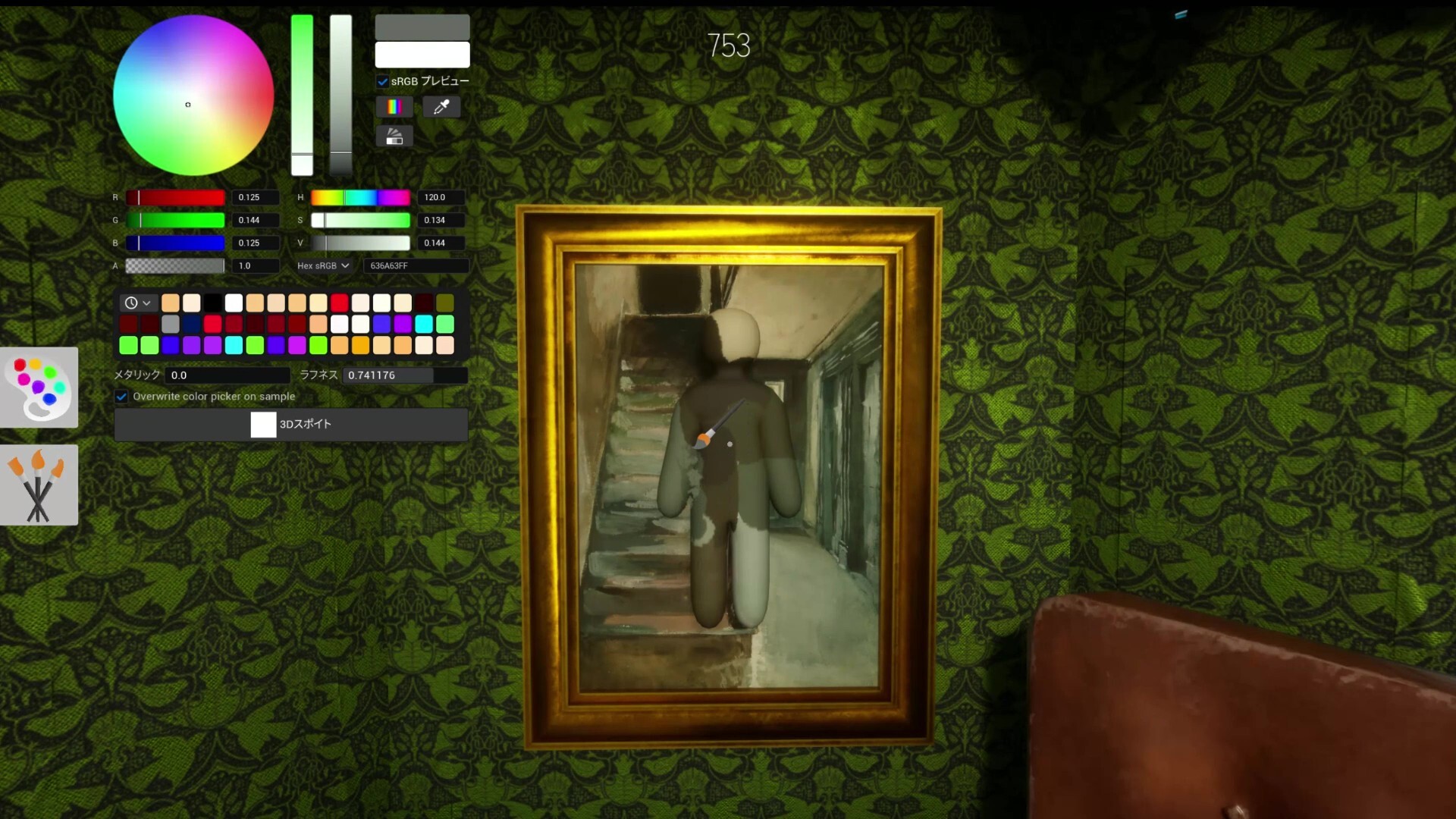
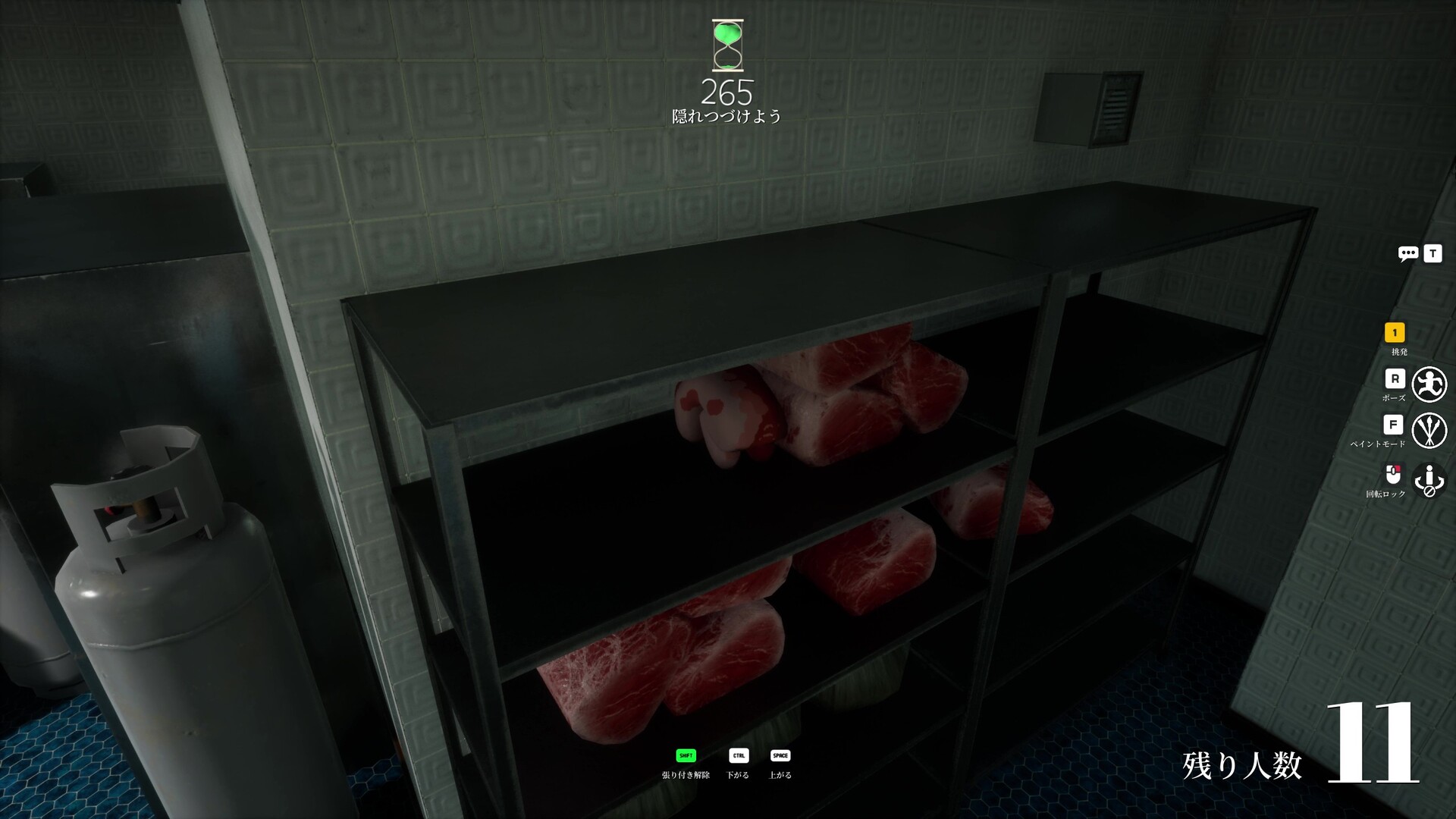
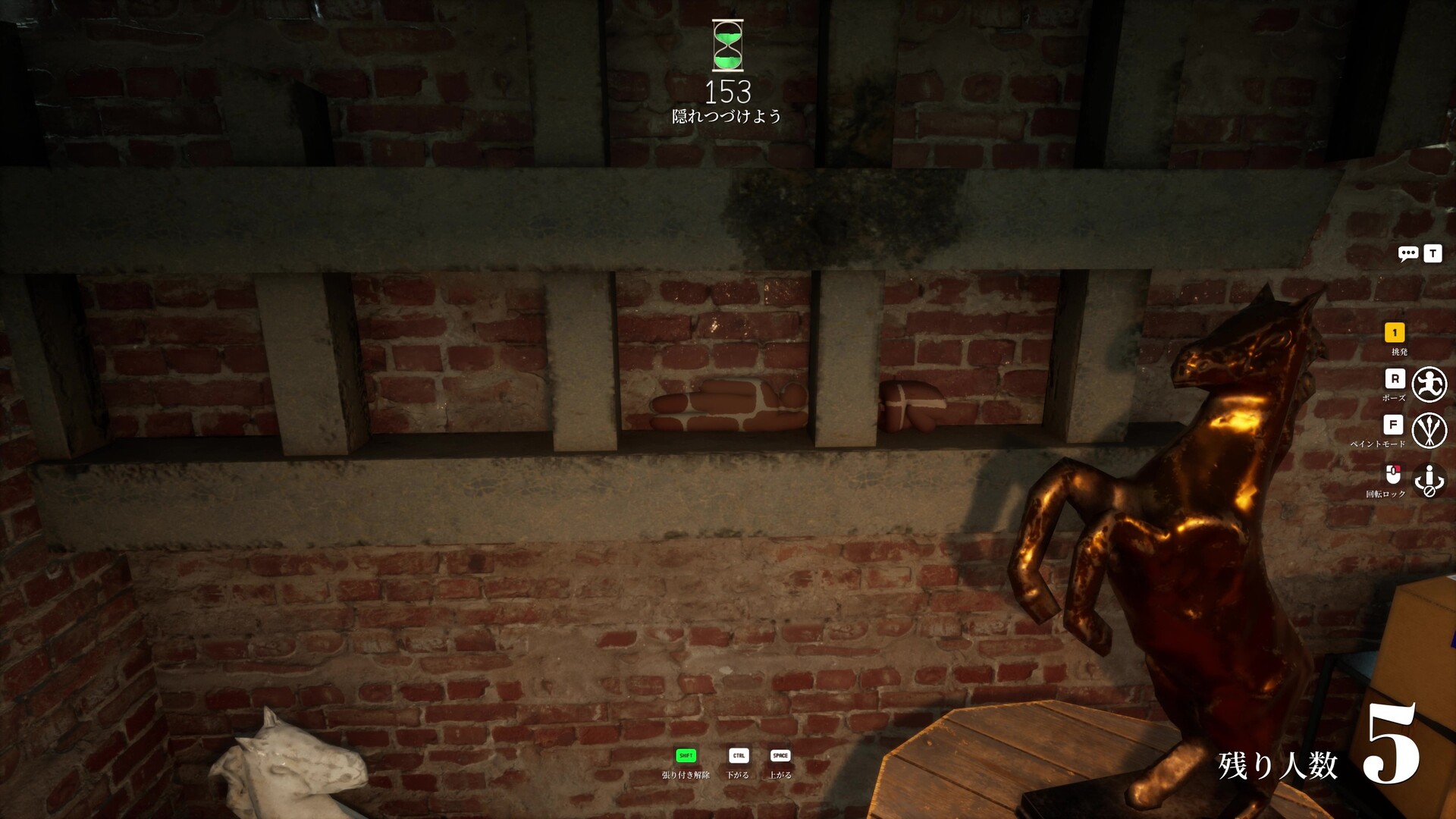
How this guide uses Reddit and gameplay screenshots
Reddit posts are useful because they show what players actually try in live rooms: funny prop choices, wall tricks, and disguises that only work from certain angles. They are not treated here as official rankings. A spot becomes useful only after you test it against the current map layout and a hunter route.
- Use community screenshots as pattern examples, not exact coordinates.
- Check every hiding idea from the hunter camera angle before trusting it.
- Prefer spots that still make sense after another player has seen them once.
What makes a hiding spot strong
A strong spot usually looks natural before you paint. Paint improves the disguise, but the first test is whether your body belongs in that part of the room. Mobalytics' hider advice lines up with this: choose the background early, match light and pattern, break your silhouette, then stop moving.
- Choose a cluttered or repeated background before opening Paint Mode.
- Match the light direction, not only the base color.
- Use a pose that makes the body read like a prop, wall piece, shadow, or surface break.
- Hold still once the hunter is close; small movement is often more obvious than imperfect color.
Best spot types to practice first
These are practical spot families rather than guaranteed wins. They give new players a useful checklist when entering Mansion, Sewer, Indoor Country, Penguin Hotel, or a Steam Workshop map.
- Furniture-edge spots: hide beside flat furniture, cabinets, sofas, or low tables where your outline can borrow a real object edge.
- Shadow-corner spots: use darker corners, stair undersides, and door-adjacent shadows, then adjust roughness so the body does not shine.
- Pattern-wall spots: match tile, wallpaper, wood, or repeating color bands and line the body up with the pattern instead of only sampling one color.
- Vertical spots: climb high, but only use walls or ceilings when the silhouette reads naturally from below.
- Decoy-adjacent spots: let a loud obvious hider pull attention while your better-matched disguise stays still nearby.
Map-by-map hiding notes
Map names and Workshop rooms change, so use these as play-style notes. The goal is to choose the type of disguise that fits the room, not to copy a single viral location.
- Mansion rewards furniture edges, wall trim, curtains, corners, and shadow reads.
- Sewer rewards slow scanning, pipe-shadow alignment, low walls, and darker material matching.
- Indoor Country rewards warm prop clusters and market-style objects, but bright food props can reveal a bad outline.
- Penguin Hotel rewards cartoon object matching and wall poses, but bright colors make small errors easier to spot.
- Workshop maps reward reading the creator's room logic: realistic offices need clean object placement, while themed maps need silhouette discipline.
Hunter counterplay checklist
A hiding guide is only useful if it explains how the spot fails. Test each candidate by clearing it like a hunter would.
- Scan upward before leaving a room.
- Compare repeated props and corners from two angles.
- Watch for brightness that does not match the local light source.
- Check whether an object creates a new gap, shadow, or outline.
- Pressure suspicious spots instead of staring too long from one angle.